
Getting a Walmart PO feels like validation. It is. It's also one of the fastest ways to run out of cash if you don't model it right.
The problem isn't that brands fail at Walmart because their product isn't good enough. Most don't fail for product reasons. They fail because the financial model they built for Walmart looked nothing like what actually happened: the sell-in was larger than expected, the sell-through was slower, the deductions were three times what they budgeted, and by the time they figured out which way was up, their cash position was already stressed.
Taste Salud expanded into Walmart and Target in the past 12 months and grew sales 10x, with financial models backing every decision. But that outcome didn't happen because Walmart is an easy channel. It happened because co-founder Tyler McCann had the financial visibility to move fast and stay solvent while doing it.
This post walks through the financial model you need before you sign a Walmart PO: what to include, how to scenario-plan it, and where brands most often get surprised.
Why Walmart Launches Fail Financially (It's Usually Not the Product)
Before you build the model, it helps to understand the specific ways Walmart can hurt you financially, because they're different from every other channel you've managed.
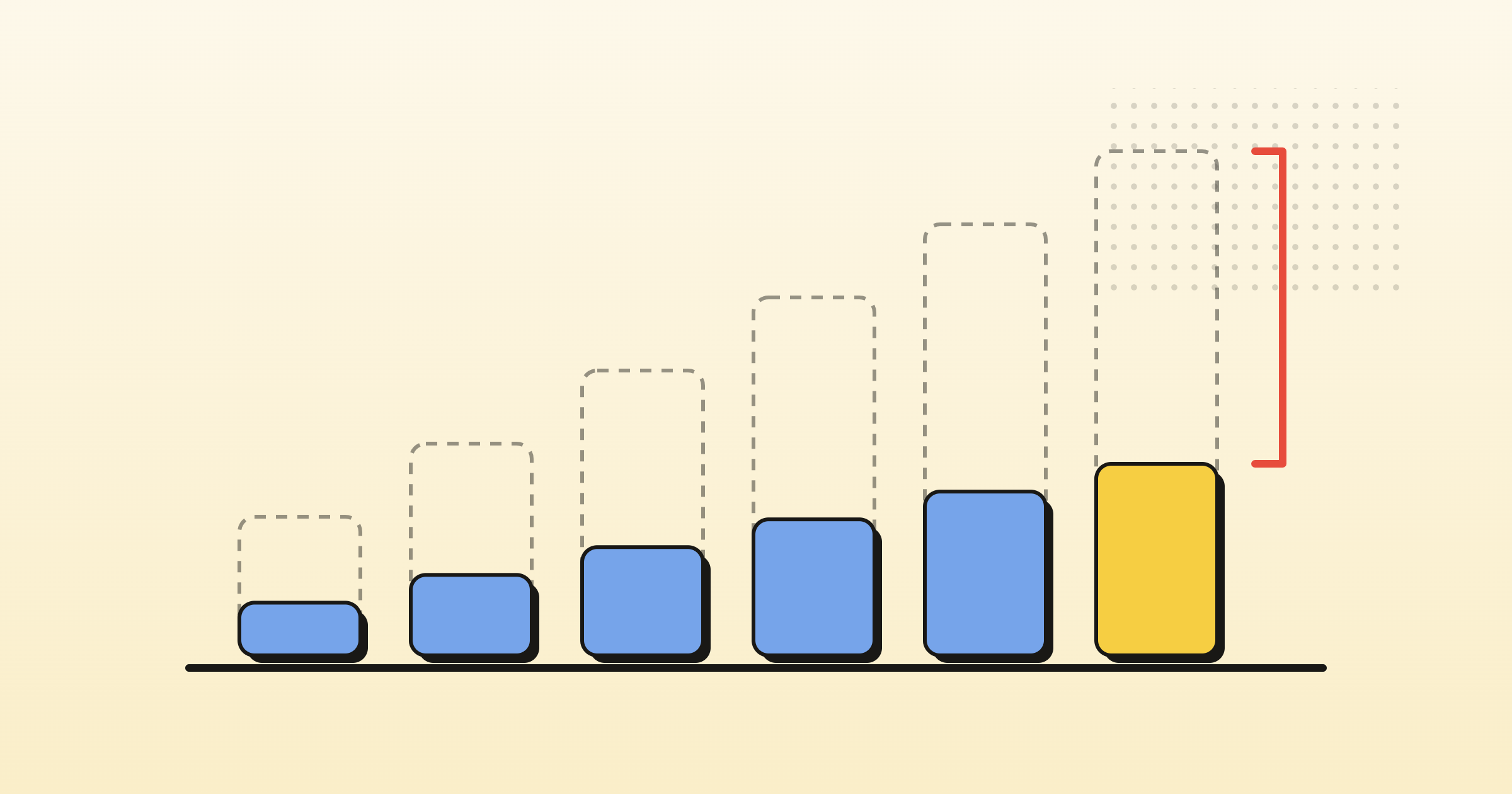
The sell-in vs. sell-through gap. Walmart pays you when they receive your inventory at the DC, not when consumers buy it off the shelf. That's sell-in. Sell-through is what actually matters for your continued presence on shelf. If your velocity underperforms in the first 8 to 12 weeks, you're at risk of a reset or discontinuation — while Walmart's payment timing means your cash is already spent.
The cash timing problem. You fund inventory three to six months before you see meaningful revenue. Co-man lead times, freight transit, and Walmart's payment terms all compound the gap. "Retail is very capital intensive" is how founders describe it. "You run out of cash quick when you really focus on retail."
Trade spend is larger than you think. Slotting fees, scan backs, MCBs, TPRs — the promotional calendar Walmart expects is real, and it compounds. A national launch across a major grocery chain can require $1.5 million to $2 million in slotting allowances alone. Most first-time suppliers budget trade spend as a flat percentage and get caught when the actual promotional commitments hit.
The gross-to-net problem. Your Walmart channel P&L, after all deductions, looks nothing like your blended margin. Chargebacks, shortage claims, compliance fees, and OTIF penalties arrive as deductions on your remittance — often weeks after the fact, and often without clear documentation. The brands that model this well set a deduction reserve before launch. The ones that don't spend their first quarter trying to reconcile why their Walmart revenue is 15 percent lower than expected.
Taste Salud's Tyler McCann put it directly: "Even for a high-growth company, things can change quickly if you don't actively measure your spend and use metrics to guide your decisions."
The Financial Variables You Need Before You Build the Model
A Walmart launch model isn't one number — it's a set of inputs that connect to a cash position. Here's what needs to go in before you can trust what comes out.
Inventory build. Doors multiplied by units per door multiplied by weeks of supply equals your initial PO. Add safety stock and your co-man's production minimums. Get this number from your broker and your buyer before you finalize anything else.
Lead time stack. Co-man lead time plus freight transit plus DC receiving window. Add buffer for OTIF compliance. Getting this wrong means a stockout in launch week — one of the hardest things to recover from with a new retail partner.
Slotting fees. These range from $250 to $1,000 per SKU per store depending on category and retailer. Budget a range, not a single number. For a national rollout, total slotting exposure can reach $250,000 or more. Know your number before you're in the buyer meeting.
Trade spend. This is the largest and most variable cost in a Walmart launch. Model your promotional calendar explicitly: fall reset commitments, Q4 event participation, expected TPR frequency, scan back rates. Treat each as a separate line item. Trade spend modeled as a flat percentage of gross sales is almost always wrong in practice.
Freight and 3PL. Walmart's OTIF thresholds are strict. Carrier costs, bi-coastal vs. single DC routing, and whether you're shipping LTL or TL all affect your landed cost. Build a downside freight case — freight costs have been volatile.
Deductions reserve. Budget 3 to 8 percent of gross sales depending on your operational maturity with big-box compliance. If this is your first major retail account, lean toward 8.
Breakeven timeline. At what velocity, in what week, does this channel generate positive contribution margin? Know this number before you sign.
Oats Overnight — sold in Walmart, Whole Foods, and Wegmans — used Drivepoint to model a production facility expansion decision. Their CSO Nina McKinney describes what the model revealed: "The Drivepoint model clearly demonstrated how and when the investment would be recouped — and, more crucially, the benefits of moving ASAP." That decision was worth a $4 million EBITDA lift.
Building the Model: Three Scenarios, One Cash Position
A good Walmart launch model is not a single revenue projection. It's three scenarios, each connected to a cash position.
Base case. Launch velocity at category average. Trade spend at your committed levels. Freight at current rates. Co-man costs held flat. This is the scenario you present to buyers and investors — but it's not the one you plan your cash around.
Upside case. Velocity above category average. What happens to your inventory position and cash when sell-through beats expectations? That can be a cash problem too, if you don't have inventory to support a reorder at speed.
Downside case. Velocity underperforms. Walmart resets after 12 weeks. You're left with inventory, outstanding deductions, and a production run you've already funded. Can your business survive that scenario? What does the cash impact look like for the next two quarters?
This last scenario is the one most brands skip and most CFOs and investors care most about. It's not pessimism — it's what separates a fundable launch plan from a wish.
Each scenario needs: gross-to-net revenue by month, COGS including all landed costs, trade spend and deductions by line item, inventory on hand in units and dollars, and ending cash balance. Those five outputs, side by side across three scenarios, are what a complete Walmart launch model looks like.
SEEQ, now nationwide in Target, used Drivepoint to build exactly this kind of model for their retail expansion. CEO Keenan Kelly describes the difference: "Instead of rebuilding models to test 'what if we increase spend 20 percent,' we can now spin up scenarios with a few clicks and see the impact side by side with the baseline plan." That speed matters when you have hours, not a week, to make a decision.
Drivepoint's Walmart launch template is pre-built for all three scenarios. Download it here.
What to Track After Launch (and When to Reorder)
The model doesn't end at launch. The questions it needs to answer change, but the discipline of running it doesn't.
Sell-through rate. Units sold to consumers divided by units shipped to the DC. Walmart tracks this weekly. If you're below category average after 8 to 12 weeks, you're at risk. Track it yourself before Walmart tells you.
Weeks of supply on hand. Too many weeks means cash trapped in inventory. Too few means a stockout that can get you pulled. Model your reorder trigger point before launch — the week number at which you need to commit to the next PO to avoid going out of stock.
Trade spend ROI. Is each promotional event driving velocity, or just margin erosion? Track scan back redemptions and lift rates against your pre-launch model. If a TPR isn't moving units, that's information you need before you commit to the next event.
Deduction rate. Actual deductions as a percentage of gross sales, tracked monthly. A creeping deduction rate is a compliance signal — fix it before it compounds.
Gross-to-net reconciliation. Reconcile what Walmart actually paid you against your model every period. Silent variances compound fast and are hard to unwind months later.
Oats Overnight runs at 98 percent forecast accuracy with Drivepoint. That precision comes from a model connected to live actuals and tracked against plan continuously — not just at month-end close.
Get the Model Ready Before the Buyer Meeting
Most brands start building their Walmart financial model after they get the PO. The ones that win build it before the buyer meeting — because the model changes what you negotiate.
If you know your breakeven velocity going into the room, you can negotiate promotional support, payment terms, and distribution scope from a position of actual data. You can also say no to a door count that doesn't make financial sense — without flinching.
Investors ask the same questions buyers do, just from a different direction: What's the downside? What does this do to your cash position? How long until this channel is profitable? The answers need to come from a model, not from intuition.
Drivepoint builds this model automatically for consumer brands — connected to your live actuals from Shopify, Amazon, and QuickBooks, so your Walmart model sits inside the same three-statement financial model as the rest of your business. When your Walmart actuals come in, the model updates. When you want to run a new scenario, it takes minutes, not a week.
Tyler McCann of Taste Salud, who took the brand from early-stage to Walmart and Target in 12 months: "What's so valuable about Drivepoint's setup is that it makes you more confident in your decisions as a founder. We simply wanted a clear data overview. Instead, we found a long-term partner."
Start with Drivepoint's free Walmart launch financial model template — or book a demo to see how Drivepoint builds it connected to your live data.
Frequently Asked Questions
What financial model do I need before launching into Walmart?
Before signing a Walmart PO, you need a three-scenario financial model (base, upside, downside) that covers inventory build costs, slotting fees, trade spend commitments, a deductions reserve, and ending cash position by month. The model should connect your gross-to-net revenue by channel to your actual cash balance, so you know your breakeven velocity before you negotiate.
How do slotting fees and trade spend work for Walmart suppliers?
Slotting fees are one-time payments for shelf placement, typically ranging from $250 to $1,000 per SKU per store — a national launch can require $250,000 or more in total. Trade spend covers ongoing promotional commitments: TPRs, scan backs, MCBs, and event participation. For most CPG suppliers, trade spend is the largest cost category in a retail launch and should be modeled line by line, not as a flat percentage of sales.
How do I calculate the cash impact of a Walmart PO on my consumer brand?
Start with your inventory build (doors x units per door x weeks of supply), add lead time for co-man production and freight, and map the cash outflow timeline against when Walmart's payment terms will generate cash inflow. Layer in slotting fees, your deductions reserve (3 to 8 percent of gross sales), and trade spend commitments. The gap between your first cash outflow and your first meaningful cash inflow is your Walmart launch cash requirement.
What is sell-through rate and why does it matter for a Walmart launch?
Sell-through rate is units sold to consumers divided by units shipped to Walmart's distribution center. Walmart tracks this weekly. If your sell-through falls below category average after 8 to 12 weeks, you risk a reset or discontinuation — even if you've already funded the inventory and paid the slotting fees. Monitoring sell-through in your financial model, not just in Walmart's portal, lets you react before it becomes a placement problem.
How do I build a financial model for a retail launch with base case and downside scenarios?
Build three connected scenarios: a base case (category-average velocity, committed trade spend, current freight rates), an upside case (above-average velocity with inventory implications), and a downside case (underperformance, potential reset, and cash impact of unsold inventory). Each scenario should output gross-to-net revenue by month, COGS with all landed costs, trade spend by line item, inventory on hand in dollars, and ending cash balance. The downside case is the one investors and buyers care most about.